Creative Design: Elevating Visual Communication with Purpose
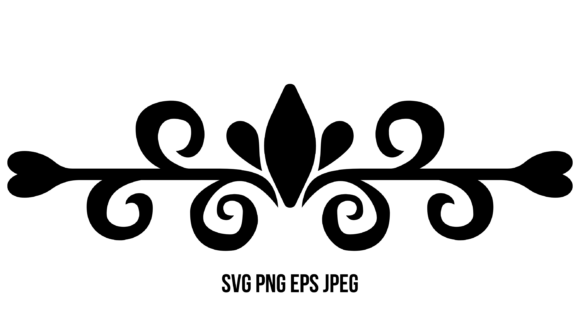
Creative design is more than just aesthetics—it's a powerful tool for communication, branding, and expression. Whether you're a designer, a small business owner, or someone looking to enhance your personal projects, understanding the nuances of creative design can make all the difference in how your message is received. A black pattern divider featuring a stylized fleur-de-lis element, flanked by mirrored swirls and scroll-like details, exemplifies how thoughtful design can elevate any project, from wedding invitations to business cards.
At its core, creative design involves combining visual elements such as color, typography, imagery, and layout to convey a specific message or emotion. It requires an understanding of both form and function, ensuring that the final product is not only visually appealing but also effective in its purpose. The black pattern divider mentioned earlier is a perfect example of this balance, offering a timeless and versatile design that can be adapted to various contexts.
The Importance of Attention to Detail in Creative Design
One common mistake when working with creative design is overlooking the importance of detail. Many people focus solely on the overall look without considering how each element contributes to the whole. For instance, the intricate swirls and scroll-like details in the black pattern divider are not just decorative—they add depth and character, enhancing the visual storytelling of the design.
Another oversight is failing to consider the context in which the design will be used. A design that looks stunning on a digital screen may not translate well to print, especially if resolution and file format aren't properly addressed. The black pattern divider, available in SVG, EPS, PNG, and JPEG formats at 400 DPI, ensures high-quality output across different mediums, making it a reliable choice for professionals and hobbyists alike.
Misconceptions About Creative Design and How to Avoid Them
A common misconception is that creative design is purely about artistic flair, with little regard for practicality. However, the best designs are those that serve a purpose while still being visually engaging. The black pattern divider, for example, is not just beautiful—it’s functional, providing a clear visual break that enhances readability and structure in printed materials.
Another misunderstanding is that creative design is only for large businesses or high-budget projects. In reality, even small-scale creators can benefit from well-crafted design elements. Whether you're creating a custom greeting card or a professional business document, the right design choices can significantly impact the perceived quality and professionalism of your work.
Key Considerations Before Using Creative Design Elements
Before incorporating creative design elements into your work, there are several factors to consider. First, ensure that the design aligns with your brand identity or the message you want to convey. A black pattern divider with a fleur-de-lis motif might be perfect for a vintage-themed wedding invitation, but could feel out of place in a modern corporate brochure.
Second, verify the technical specifications of the design files. High-resolution images and vector formats like SVG and EPS are essential for maintaining clarity when scaling or printing. The availability of multiple file types for the black pattern divider makes it easier to integrate into different projects without compromising quality.
Finally, think about the audience. What works for a casual greeting card may not be suitable for a formal business presentation. Understanding your audience's expectations and preferences can help you choose the right design elements that resonate effectively.
Practical Tips for Effective Creative Design Use
To avoid common pitfalls, start by defining your goals. Are you looking to create a cohesive brand identity, enhance a marketing campaign, or simply add a touch of elegance to a personal project? Clarifying your objectives will guide your design choices and help you stay focused.
Another practical tip is to study existing examples of successful creative design. Analyze what makes certain designs effective and how they meet the needs of their intended audience. This can provide valuable insights into composition, color theory, and visual hierarchy.
When working with pre-designed elements like the black pattern divider, always test them in real-world scenarios. Print a sample, view it on different devices, and see how it interacts with other design components. This helps identify any issues before finalizing your project.
Choosing the Right Creative Design for Your Needs
Not all creative design elements are created equal. Some may be too complex, while others may lack the necessary detail to make an impact. The black pattern divider strikes a balance between simplicity and sophistication, making it a versatile choice for a wide range of applications.
When selecting design elements, consider their adaptability. Can they be easily modified or combined with other visuals? Does the design maintain its integrity at different sizes? These questions can help you determine whether a particular element will serve your needs effectively.
Additionally, pay attention to licensing and usage rights. Ensure that the design you’re using is appropriate for your intended purpose, especially if you're creating something for commercial use. The black pattern divider, with its clear availability in multiple formats, offers flexibility and peace of mind for users who need reliable design assets.
Conclusion: Making Informed Creative Design Choices
Creative design has the power to transform ordinary projects into memorable experiences. By understanding the principles behind effective design and avoiding common mistakes, you can make choices that enhance both the aesthetic and functional aspects of your work. The black pattern divider is a prime example of how thoughtful design can add value across a variety of applications, from weddings to business communications.
As you explore creative design options, remember to prioritize clarity, relevance, and quality. With careful consideration and a focus on practicality, you can achieve results that not only look great but also serve their intended purpose effectively.