Monkey Squatting: A Unique Design Element
Monkey squatting is more than just a quirky image—it's a versatile design element that can elevate your projects. Whether you're working on branding, digital graphics, or print materials, this illustration offers a fresh and engaging way to communicate ideas. Its simple yet expressive style makes it ideal for a wide range of applications, from logos to decorative elements.
What Is Monkey Squatting?
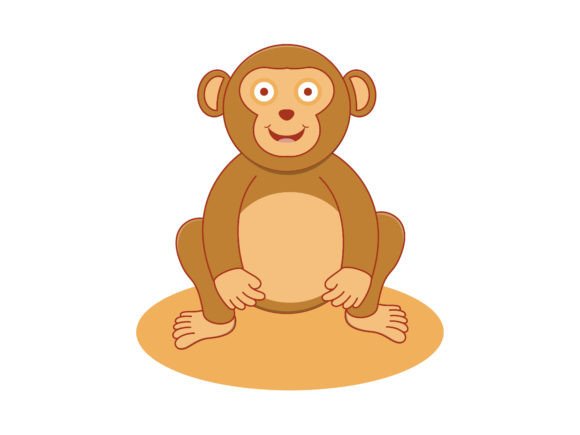
Monkey squatting refers to an illustration of a monkey in a squatting position, often depicted in a flat, isolated style. This design is commonly used as a vector icon or graphic element. The simplicity of the image allows for easy customization and integration into various design projects. It's a popular choice for those looking to add a touch of whimsy or personality to their work.
The concept of monkey squatting isn't just about the image itself—it's about the message it conveys. It can represent playfulness, curiosity, or even a sense of humor, making it a valuable tool in visual communication.
Key Characteristics and Strengths
One of the standout features of monkey squatting illustrations is their adaptability. The flat, isolated style ensures that the image remains clear and recognizable regardless of the medium. This makes it suitable for both digital and print use, offering flexibility for designers and creators.
The design also benefits from its minimalistic approach. With clean lines and no unnecessary details, it's easy to scale and modify without losing quality. This is especially important when working with different file formats like EPS, JPG, or SVG.
Another strength is the emotional impact of the image. The playful nature of a monkey squatting can evoke positive feelings, making it an effective tool for engagement and brand recognition. It's a great way to add a unique touch to any project without overwhelming the viewer.
Practical Applications Across Industries
Monkey squatting illustrations have a wide range of practical uses. In the world of branding, they can serve as a memorable symbol that helps differentiate a company from its competitors. For example, a tech startup might use a monkey squatting icon to convey innovation and creativity.
In educational settings, these images can be used to make learning materials more engaging. Teachers might incorporate them into presentations or worksheets to capture students' attention and make complex topics more relatable.
For creative professionals, monkey squatting offers a fun and flexible design element. Graphic designers, illustrators, and artists can use the image as a base for custom artwork, patterns, or backgrounds. Its versatility allows for endless possibilities in visual storytelling.
Benefits of Using Monkey Squatting
One of the main advantages of using monkey squatting is its ability to enhance user experience. In digital environments, such as websites or mobile apps, the image can act as a visual cue or icon, improving navigation and interaction. Its simple design ensures that it's easily recognizable, even at smaller sizes.
From a branding perspective, monkey squatting can help create a strong visual identity. By incorporating this image into logos, social media profiles, or marketing materials, businesses can build a cohesive and memorable brand presence. It's a subtle but effective way to connect with audiences.
Additionally, the image can boost engagement. In content marketing, for instance, using monkey squatting in infographics or social media posts can attract more attention and encourage sharing. Its unique style sets it apart from more traditional design elements, making it a valuable asset for creators looking to stand out.
How to Choose the Right File Format
When working with monkey squatting illustrations, selecting the right file format is essential. Each format has its own strengths and best use cases:
- EPS (Encapsulated PostScript): Ideal for professional printing and high-quality output. It maintains sharpness at any size, making it perfect for logos and branding materials.
- JPG/JPEG: Great for web use and digital sharing. It offers good quality with smaller file sizes, making it easy to load and distribute online.
- SVG (Scalable Vector Graphics): Best for digital projects that require scalability. It maintains clarity at any resolution, making it ideal for websites, apps, and interactive media.
Understanding the differences between these formats will help you choose the one that best suits your needs. For example, if you're creating a website, SVG is likely the best option. If you're preparing a print campaign, EPS would be more appropriate.
Implementing Monkey Squatting in Your Projects
Integrating monkey squatting into your design workflow can be straightforward. Start by identifying where the image will be used—whether it's for a logo, background, or icon. Once you've determined the context, select the appropriate file format and adjust the image as needed.
Consider the overall aesthetic of your project. While monkey squatting is a unique element, it should complement the rest of your design rather than clash with it. Experiment with different colors, placements, and sizes to find the best fit.
Collaboration is also key. If you're working with a team or client, ensure everyone understands the purpose and limitations of the image. Clear communication will help avoid misunderstandings and ensure the final result meets expectations.
Final Thoughts on Monkey Squatting
Monkey squatting is more than just a fun image—it's a powerful design tool that can add value to a wide range of projects. Its simplicity, versatility, and appeal make it a valuable addition to any designer's toolkit. Whether you're working on branding, education, or creative projects, this illustration offers a unique way to express ideas and engage audiences.
By understanding the strengths and applications of monkey squatting, you can make informed decisions about how to use it effectively. With the right approach, this image can become a key component of your visual strategy, helping you stand out in a competitive landscape.