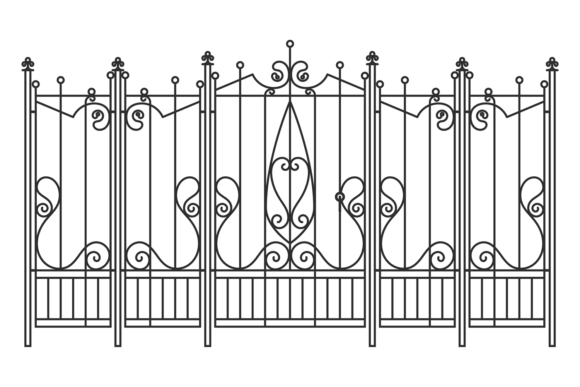
Vintage Ornate Railing. Forged Iron Deco: Timeless Elegance for Modern Spaces
Vintage ornate railing, particularly in the form of forged iron deco, has seen a resurgence in popularity among homeowners, designers, and architects seeking to blend historical charm with contemporary aesthetics. These intricate railings are more than just functional elements; they serve as striking design statements that can elevate the visual appeal of any space. Whether you're renovating an old home or designing a new one, understanding the nuances of vintage ornate railing can help you make informed decisions that align with your style and practical needs.
What Makes Vintage Ornate Railing Unique?
Vintage ornate railing is characterized by its elaborate patterns, detailed craftsmanship, and the use of forged iron. This type of railing often features motifs inspired by Art Deco, Victorian, or Renaissance styles, offering a sense of grandeur and sophistication. The term "forged iron deco" refers specifically to the decorative elements that are handcrafted using traditional blacksmithing techniques, resulting in unique and durable designs.
These railings are not only visually appealing but also highly functional. They provide structural support while adding a touch of elegance to staircases, balconies, and entryways. Their versatility allows them to fit into a wide range of architectural styles, from rustic to modern.
Common Mistakes When Choosing Vintage Ornate Railing
Despite their beauty, there are several common mistakes people make when selecting and installing vintage ornate railings. One of the most frequent errors is overlooking the importance of proper measurements. A railing that doesn't fit correctly can lead to safety hazards and costly adjustments. Always ensure that you have precise dimensions before purchasing or commissioning a custom piece.
Another mistake is neglecting to consider the weight and structural integrity of the railing. While forged iron is strong, it's essential to work with a professional who can assess whether the existing structure can support the added weight. Failing to do so may result in instability or damage over time.
Some buyers also fall into the trap of choosing aesthetics over functionality. While the design is important, it should not come at the expense of usability. For example, a railing with overly complex patterns might be difficult to clean or maintain, leading to long-term frustration.
How to Avoid Common Pitfalls
To avoid these mistakes, start by consulting with a qualified contractor or designer who specializes in ornate railings. They can guide you through the selection process, ensuring that the chosen design meets both your aesthetic preferences and practical requirements.
Additionally, take the time to research different styles and materials. While forged iron is a popular choice, other options like wrought iron or aluminum may offer similar aesthetics with different maintenance needs. Compare samples and ask about durability, weather resistance, and ease of installation.
It's also wise to request references or examples of previous work. A reputable supplier should be able to provide photos or testimonials that demonstrate their expertise and quality of craftsmanship.
The Importance of Proper Installation
Even the most beautifully crafted vintage ornate railing will fail if not installed correctly. Improper installation can lead to issues such as wobbling, misalignment, or even structural failure. Always hire a licensed professional with experience in working with metal railings.
During installation, pay attention to details such as the alignment of posts, the tightness of bolts, and the overall stability of the structure. A well-installed railing not only looks better but also lasts longer and provides greater safety.
Realistic Examples and Better Approaches
Consider the case of a homeowner who chose a highly ornate railing without considering the size of their space. The design was too large for the area, making the room feel cramped and overwhelming. A better approach would have been to select a simpler design that complemented the scale of the room while still maintaining visual interest.
Another example involves a business owner who opted for a custom-designed railing without discussing maintenance requirements. Over time, the intricate details became difficult to clean, leading to a decline in appearance. A more practical choice would have been to choose a design that balances beauty with ease of upkeep.
What to Check Before Making a Decision
Before finalizing your choice of vintage ornate railing, there are several key factors to evaluate. First, assess the condition of the existing structure. If you're retrofitting an older home, ensure that the foundation and supports are strong enough to handle the new railing.
Next, review the material quality. High-quality forged iron railings are typically made from thick, solid metal and feature smooth, consistent finishes. Avoid products that appear thin, flimsy, or poorly constructed.
Finally, consider the warranty and after-sales service. A reliable supplier should offer a warranty that covers defects and provide assistance with maintenance or repairs if needed.
Conclusion: Elevate Your Space with Thoughtful Choices
Vintage ornate railing, especially forged iron deco, offers a unique way to add character and sophistication to any space. However, making the right choice requires careful consideration of design, function, and installation. By avoiding common mistakes and focusing on quality and practicality, you can enjoy the timeless beauty of these railings without compromising on safety or usability.